Gateway Reverse Proxy Routing
Purpose
This functional area routes inbound traffic to the correct backend host.
Main Capabilities
- accept inbound HTTP requests
- forward traffic to portal and runtime backends
- support a unified ingress model with explicitly ordered routes
- probe backend cluster health and adapt routing accordingly
Routing Model
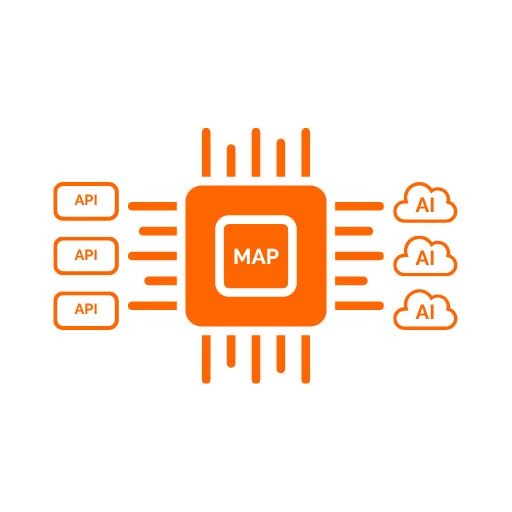
The Gateway maps inbound URL path patterns to backend clusters. Requests to Portal-facing paths are routed to the admin/management backend; requests to Runtime-facing paths (tool discovery, MCP, and tool invocation) are routed to the AI-facing backend. Health and version endpoints on both backends are reachable anonymously through the Gateway for monitoring purposes; everything else requires authentication.
Route Resolution
When a request arrives, the Gateway resolves the most specific matching route — paths with more literal segments take precedence over broader wildcard patterns. This lets administrative and tool-invocation paths be governed by stricter rules than the general catch-all traffic for the same backend.
Backend Health Checking
Both the Portal and Runtime clusters have active health checking configured. The Gateway probes each cluster's liveness endpoint at regular intervals and removes unhealthy destinations from the load balancing pool until they recover. This ensures the Gateway only forwards traffic to responsive backend instances.
Functional Value
This area hides internal host topology from clients and simplifies platform exposure. Clients interact with a single address and path namespace, while the Gateway handles the distribution of requests to the appropriate backend based on path structure and route priority.